Priming Bare Wood Services in Vermont
Protect and Prepare Your Home’s Exterior for a Lasting Finish
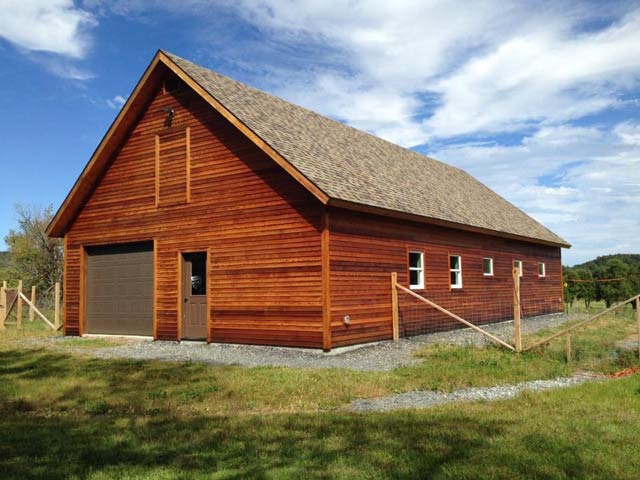
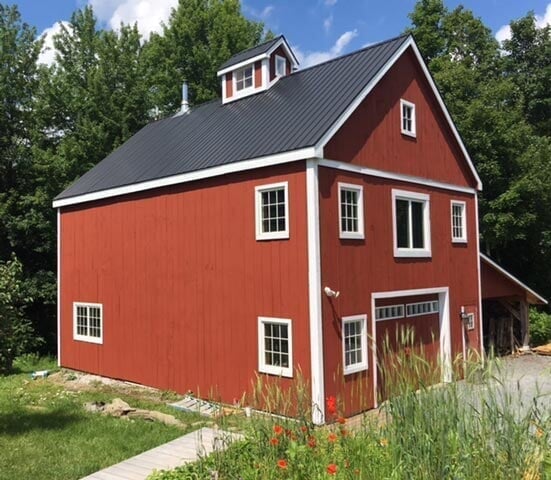
Proper preparation is the key to a paint job that lasts, and that starts with priming bare wood. At A Blaze of Color, we specialize in high-quality priming services that ensure your exterior paint adheres smoothly and stands up to Vermont’s changing weather conditions. Whether it’s new wood siding or trim repairs, we handle every detail with care and precision.
Why Priming Bare Wood Matters
Priming seals porous wood, prevents stains from bleeding through, and creates the ideal surface for even paint coverage. Skipping this essential step can result in peeling and reduced durability. Our team uses top-grade primers that offer superior adhesion and moisture protection, setting the stage for beautiful, long-lasting results.
Our Approach to Bare Wood Priming
- Careful sanding and surface preparation
- Power washing and drying when necessary
- Application of high-quality primer for maximum adhesion
- Full inspection before painting begins

Frequently Asked Questions About Priming Bare Wood in Vermont
Do you need to prime bare wood before painting?
Yes. Bare wood is porous and will drink up the first coat unevenly, which leaves you with a blotchy finish and far less protection than you paid for. Primer seals the surface, gives the topcoat something consistent to bond to, and blocks the natural tannins in species like cedar and redwood from bleeding through and staining your finish.
What happens if you skip priming?
Usually the paint looks acceptable for a season and then starts to fail. Without primer, the topcoat adheres poorly and tends to peel or flake early, tannins can bleed through and discolor lighter colors, and moisture moves in and out of the wood more freely, which accelerates cracking and rot. It’s the step that’s easiest to skip and most expensive to fix later.
How long can primed wood sit before it’s painted?
Not indefinitely. Most primers have a recoat window specified by the manufacturer, and leaving primed wood exposed well beyond it means the surface degrades and may need to be sanded or re-primed before the topcoat. This comes up most often on new construction, where the siding goes up and the finish work gets delayed — if that’s your situation, it’s worth a conversation before the weather gets to it.
Should new siding and trim be primed on all sides?
Ideally, yes. Priming the back and the cut ends of siding and trim before installation — often called back-priming — slows the movement of moisture through the board, which is what causes cupping, warping, and premature finish failure. It’s a step that’s easy to do before the material goes up and essentially impossible afterward, and it matters in a climate with Vermont’s freeze-thaw cycles.
How many coats of primer does bare wood need?
One good coat is enough for most bare wood, applied evenly and at the right thickness. Species prone to tannin bleed, wood that’s weathered while exposed, and any spot where you’re covering a dramatic color change may call for a second coat or a specialty stain-blocking primer. We choose the product based on what the wood actually needs rather than defaulting to one primer for everything.
Can bare wood be primed late in the Vermont season?
It depends on the product and the forecast. Primers have minimum application temperatures, and cold surfaces, heavy dew, and short drying windows all work against a good result in late fall. If the season is getting away from us, it’s often better to protect the wood and schedule the work properly in spring than to force a coat on in marginal conditions.
Explore Our Other Painting Services
We provide comprehensive interior painting and repair services for every room in your home. Whether you’re giving a single room a fresh look or renovating your entire house, our skilled professionals have the expertise to deliver exceptional results.
Our cabinet painting expertise goes beyond just kitchens! We can spruce up cabinets anywhere in your home, even if they’re tucked away in tricky or remote spots.
Constructing a new building in Vermont is an exhilarating endeavor, offering you the chance to shape every aspect of your new space just the way you envision it. A Blaze of Color is here to assist you with your painting needs for new construction projects.
We offer ideal painting solutions for your Vermont commercial needs, including retail spaces, new construction, and ongoing maintenance. Our experienced team guarantees timely completion for a professional look.
Let us assist you in crafting the ideal color scheme for your home and lifestyle. Our goal is to make every room in our clients’ homes feel cozy and welcoming, beginning with selecting the perfect colors.