Staining and Finishing of Natural Wood Surfaces
Enhance and Protect the Beauty of Your Woodwork
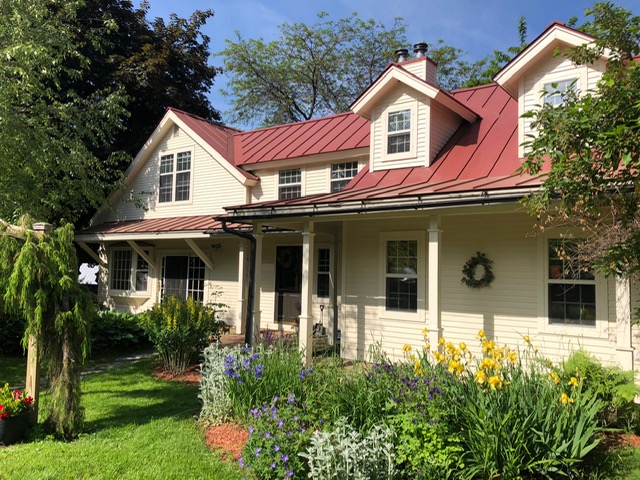

Vermont is known for its beautiful wood-clad homes and rustic accents. A Blaze of Color specializes in the professional staining and finishing of natural wood surfaces, including cedar siding, log homes, and timber framing. Unlike paint, stain penetrates the wood to highlight its natural grain while providing essential protection against UV rays and moisture. Whether you prefer a clear sealer, a semi-transparent tint, or a rich solid stain, our experts deliver a beautiful, even finish that celebrates the organic beauty of your home.
The Benefits of Professional Wood Staining
Natural wood is a living material that needs to breathe. Professional staining requires an understanding of wood species, moisture content, and previous finishes.
Our team ensures the surface is properly prepped so the stain absorbs uniformly, preventing the “lap marks” and unevenness common with amateur application. We use premium products that provide long-term durability and deep color.
Frequently Asked Questions About Wood Staining in Vermont
How often should cedar siding be re-stained?
It depends heavily on which finish is on it. Clear sealers and lightly tinted stains generally need refreshing every couple of years, semi-transparent stains last longer, and solid stains longer still. Exposure matters as much as the product — a south-facing wall in full sun will need attention well before a shaded elevation on the same house. The good news is that maintaining a stained surface is usually a wash-and-recoat rather than a strip-and-start-over.
Should cedar siding be stained or painted?
Both work, but they’re different commitments. Stain penetrates the wood and lets the grain show through, weathers more gradually, and is simpler to refresh. Paint forms a film on the surface, offers more UV protection and a wider color range, but when it eventually fails it does so by peeling, which means significantly more prep next time. It’s also worth knowing that going from stain to paint is straightforward, while going back the other way is a much bigger job.
What’s the difference between clear, semi-transparent, and solid stain?
Clear finishes seal the wood and show the grain fully, but offer the least UV protection and need the most frequent maintenance. Semi-transparent stains add a tint and noticeably more protection while still letting the grain read through — this is the middle ground most homeowners with natural wood end up choosing. Solid stains behave more like paint in terms of coverage and longevity, hiding most of the grain while retaining the wood’s texture.
How do you prep wood siding before staining?
The surface has to be clean, sound, and dry. That typically means washing off dirt, mildew, and any loose or failing finish, letting the wood dry fully, and sanding where it’s needed so the stain absorbs evenly. Prep is what prevents the lap marks and blotchy absorption that make an amateur stain job obvious, and skipping it is the single most common reason a finish looks uneven.
Can you stain over wood that’s already weathered or gone gray?
Usually, yes. Graying is UV damage to the surface fibers rather than rot, and once the degraded layer is cleaned and prepped, the wood underneath will take stain well. Wood that’s badly cracked, cupped, or soft is a different conversation — we’ll tell you honestly if a section needs repair or replacement rather than a finish.
How long does exterior wood stain last in Vermont’s climate?
Less time than the can suggests, generally. Freeze-thaw cycles, heavy snow load against lower siding, and strong summer UV all shorten the life of an exterior finish compared to milder climates. Rather than guessing, we’ll give you a realistic maintenance interval for your specific siding and exposure so you can plan a refresh before the finish fails rather than after.
Explore Our Other Painting Services
We provide comprehensive interior painting and repair services for every room in your home. Whether you’re giving a single room a fresh look or renovating your entire house, our skilled professionals have the expertise to deliver exceptional results.
Our cabinet painting expertise goes beyond just kitchens! We can spruce up cabinets anywhere in your home, even if they’re tucked away in tricky or remote spots.
Constructing a new building in Vermont is an exhilarating endeavor, offering you the chance to shape every aspect of your new space just the way you envision it. A Blaze of Color is here to assist you with your painting needs for new construction projects.
We offer ideal painting solutions for your Vermont commercial needs, including retail spaces, new construction, and ongoing maintenance. Our experienced team guarantees timely completion for a professional look.
Let us assist you in crafting the ideal color scheme for your home and lifestyle. Our goal is to make every room in our clients’ homes feel cozy and welcoming, beginning with selecting the perfect colors.